Kilimanjaro and Tanzania
The word I kept coming back to on Kilimanjaro was inertia. An object in motion stays in motion. It became a mantra — said out loud, written down, repeated on the harder stretches. The idea was simple: keep moving, however slowly, and the mountain will eventually run out.
The trip came together through Christina, a friend who had done the research and chosen the route — the Machame, seven days with an extra acclimatisation day built in. I'd spent the month before in Nigeria on a work assignment, and my preparation had not gone to plan: limited gym access, a carb-heavy local diet, and Nigerian beer that turned out to be more persuasive than intended. I arrived in Moshi knowing I was less fit than I'd wanted to be.
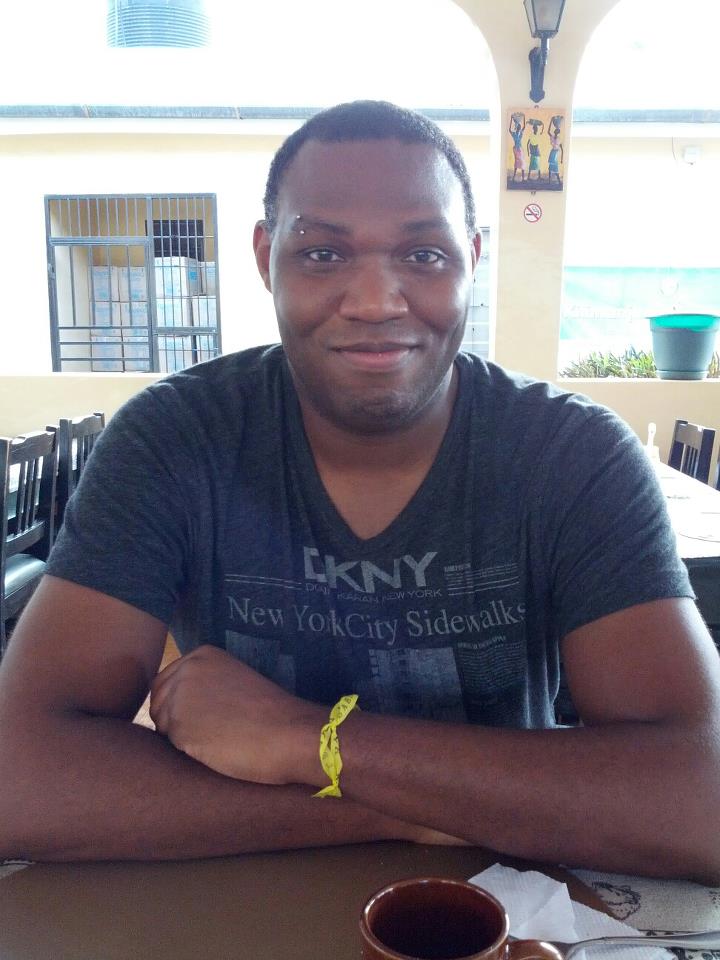
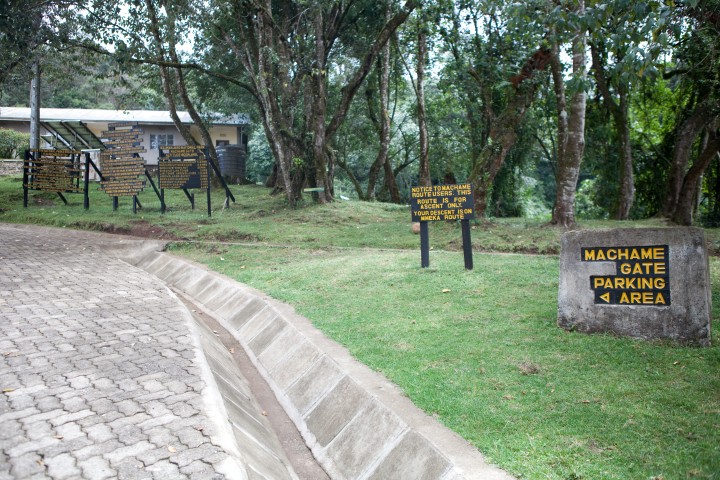
Day 1 confirmed it. I was badly dressed for the weather, my hip gave out after a few hours, and by the time we reached Machame Camp at 3,000m I was last in and barely functioning. The guide, Ashard, tried not to look worried. I took painkillers, diamox, and went to bed at 8:30pm wondering whether I'd be descending again by Day 3.
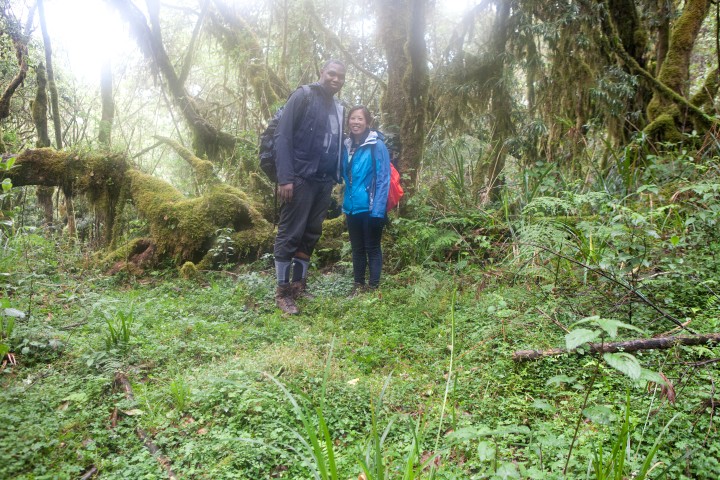
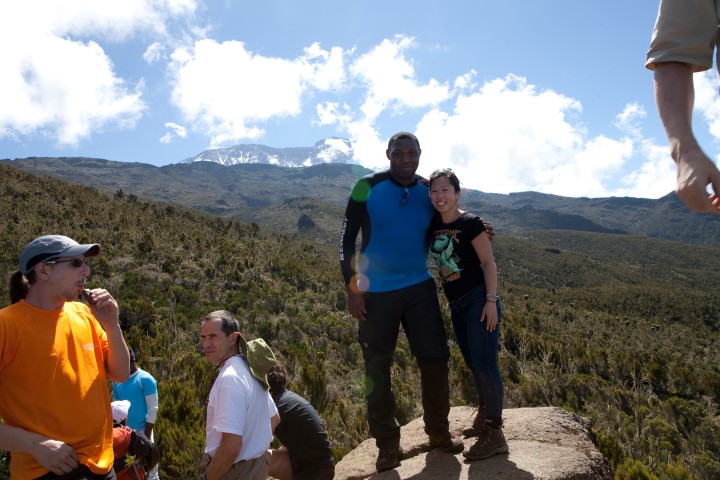
The mountain changed on Day 3. I woke up feeling like someone had replaced me overnight — the aches gone, the energy back. Ashard noticed, and gave me a nickname: Simba. From that point the trek found its rhythm: slow and deliberate, breaks every 150 metres or so, conserving energy on the long horizontal traverses. The vegetation fell away zone by zone — rainforest giving way to moorland, moorland to alpine desert, alpine desert to rock and ice.
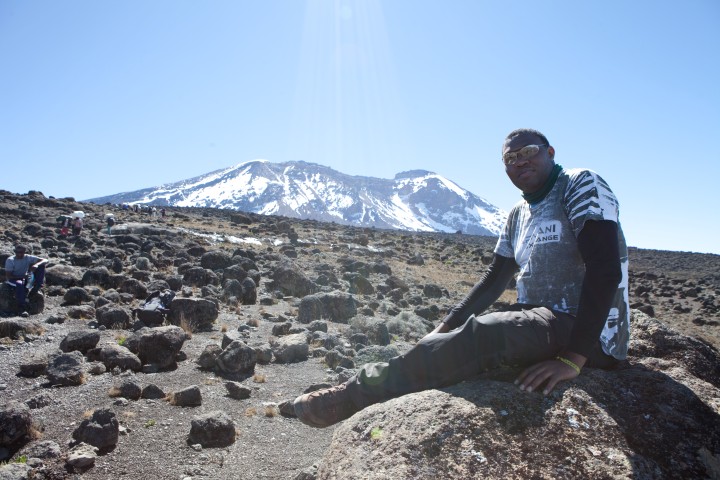
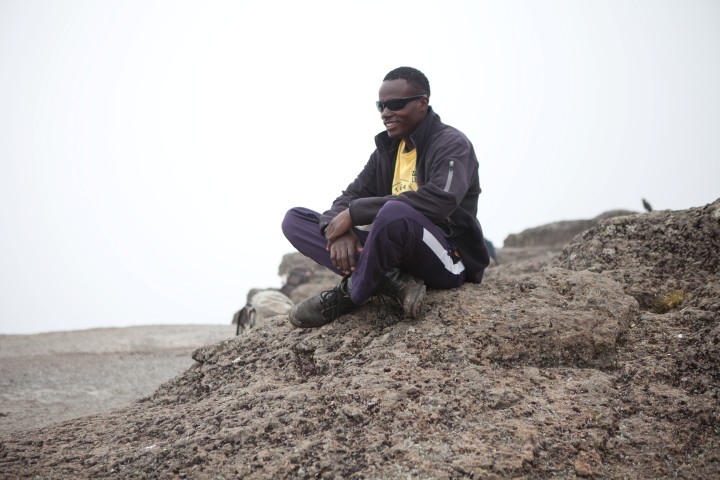
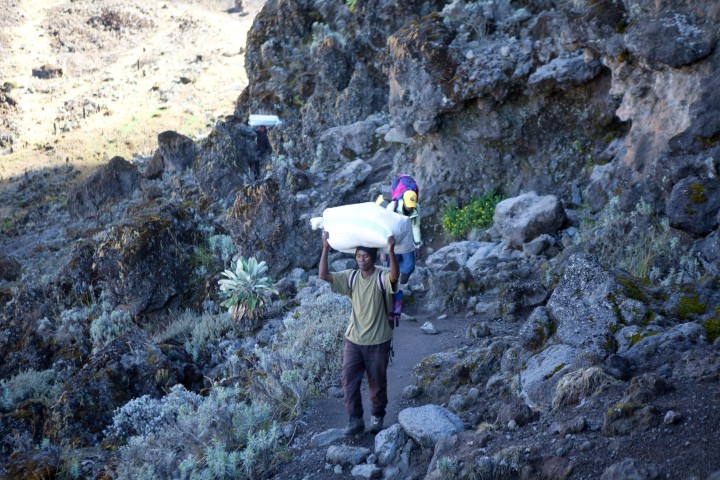
A word about the porters. They leave camp last, having broken everything down, and arrive first at the next site, having already set it all up. They carry their own kit plus everything else — tents, food, cooking equipment — at altitude, at pace, on terrain that I was finding exhausting in just a daypack. Most of their gear is donated. They don't use sports drinks or nutrition bars. They just do it. Every time you think your job is hard, think about what these people do and then get back on with things.
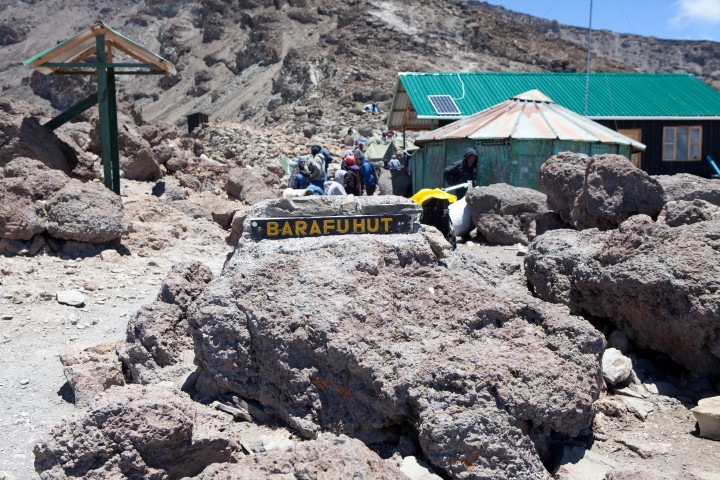
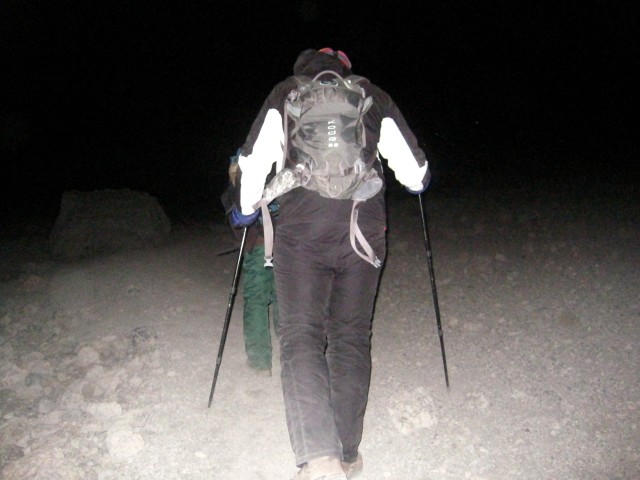
The summit push began at midnight on Day 6, departing Barafu Camp into pitch darkness and fierce wind. I'd layered everything I had — two pairs of thermals, fleece, snow jacket, double gloves with warmers inside. I could still feel the cold getting through, layer by layer. The headlamps of other groups snaked upward into the darkness, a long slow procession towards Stella Point at 5,756m.
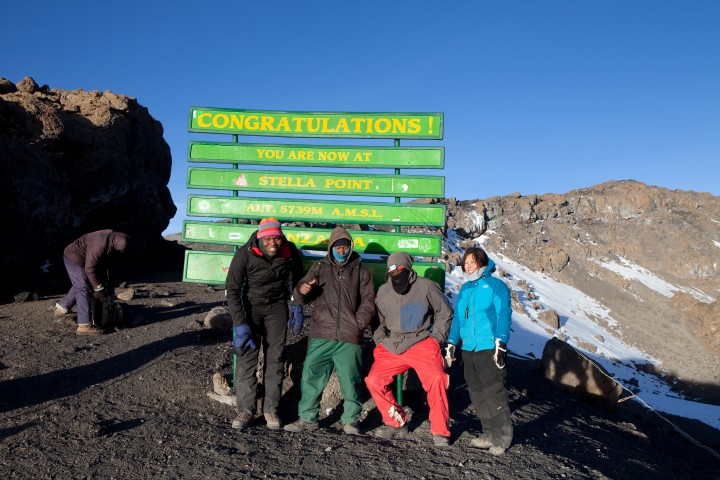
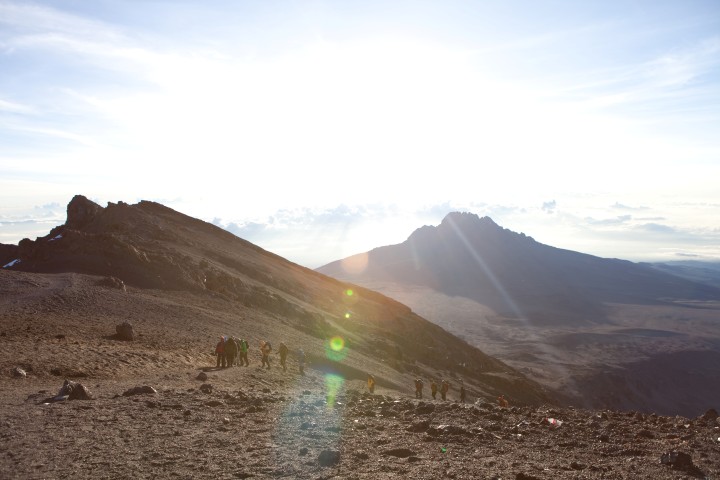
I reached Stella Point having used almost everything I had. The last 139 metres to Uhuru Peak — which on a good day takes 45 minutes — looked impossible. Ashard asked me directly whether, if I made it to the summit, I'd be able to get back down under my own power. I said yes. I wasn't sure that was true.
Two things got me to the top. First: Ashard took my hiking poles, had me hold onto the straps of his backpack, and pulled me forward for around 200 metres — bigger steps, forced pace, no asking. He was already carrying my bag inside his own. Second: Christina, who had her own problems with a sore ankle and could have been at the summit taking photos while I was still on the way, came back, put my arm around her shoulder, and walked with me until we were almost there. "Come on Kili Buddy, we're almost there." I've thought about that moment more than once since.
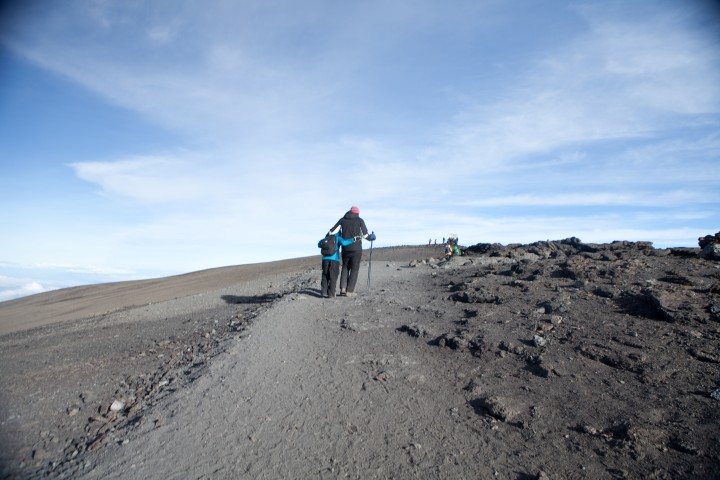
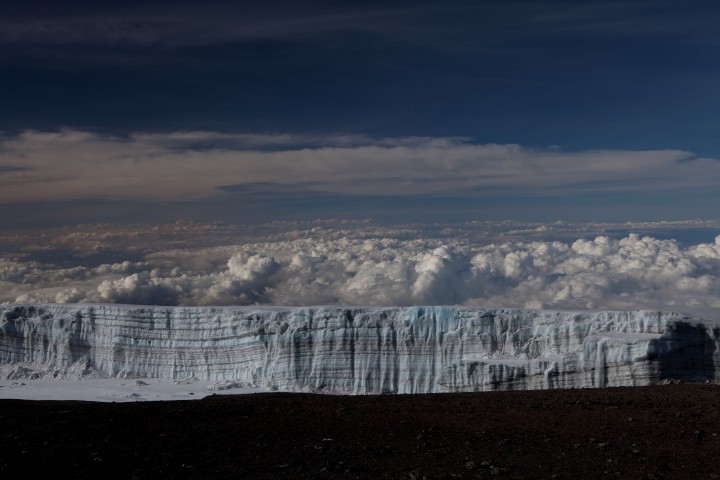
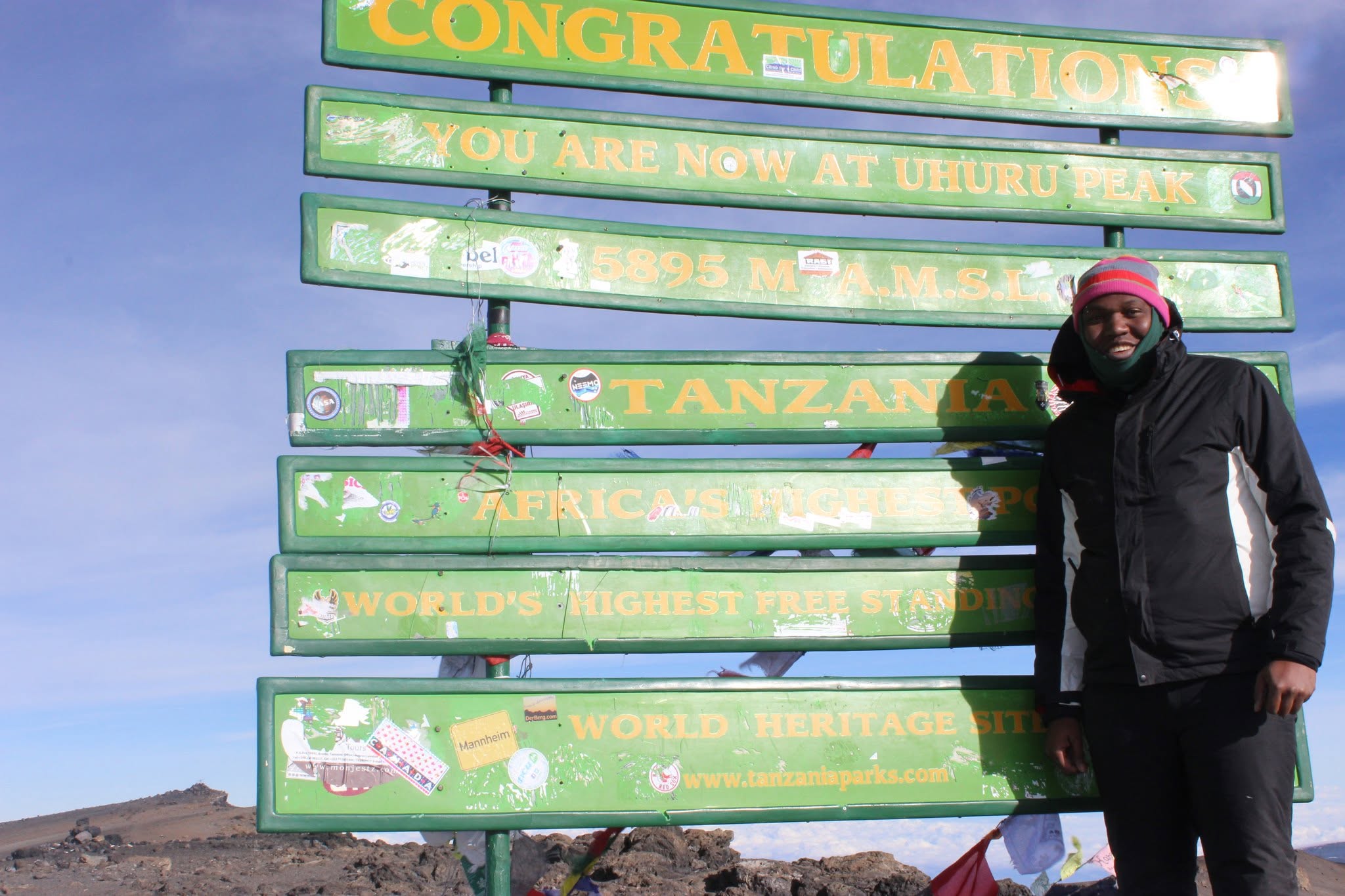
Uhuru Peak. 5,895 metres above sea level. Africa's highest point. The relief of arriving was more than the achievement of it — though both were real.
The descent is the part nobody warns you about. Going down at altitude, on steep gravel, after eight hours of climbing, on legs with nothing left — and then I stumbled and drove my knee into a pointed rock. Significant swelling, significant stiffness, and 2,800m still to descend. At the worst stretches, Ashard and Frankie held me by the shoulders and we slid down the loose gravel together. It hurt. It was also necessary. We made it to Mweka Gate on Day 7, signed in one last time, and that was officially that.
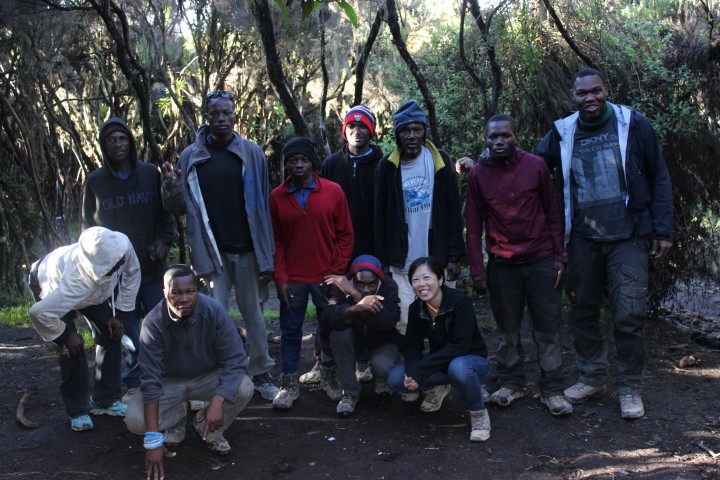
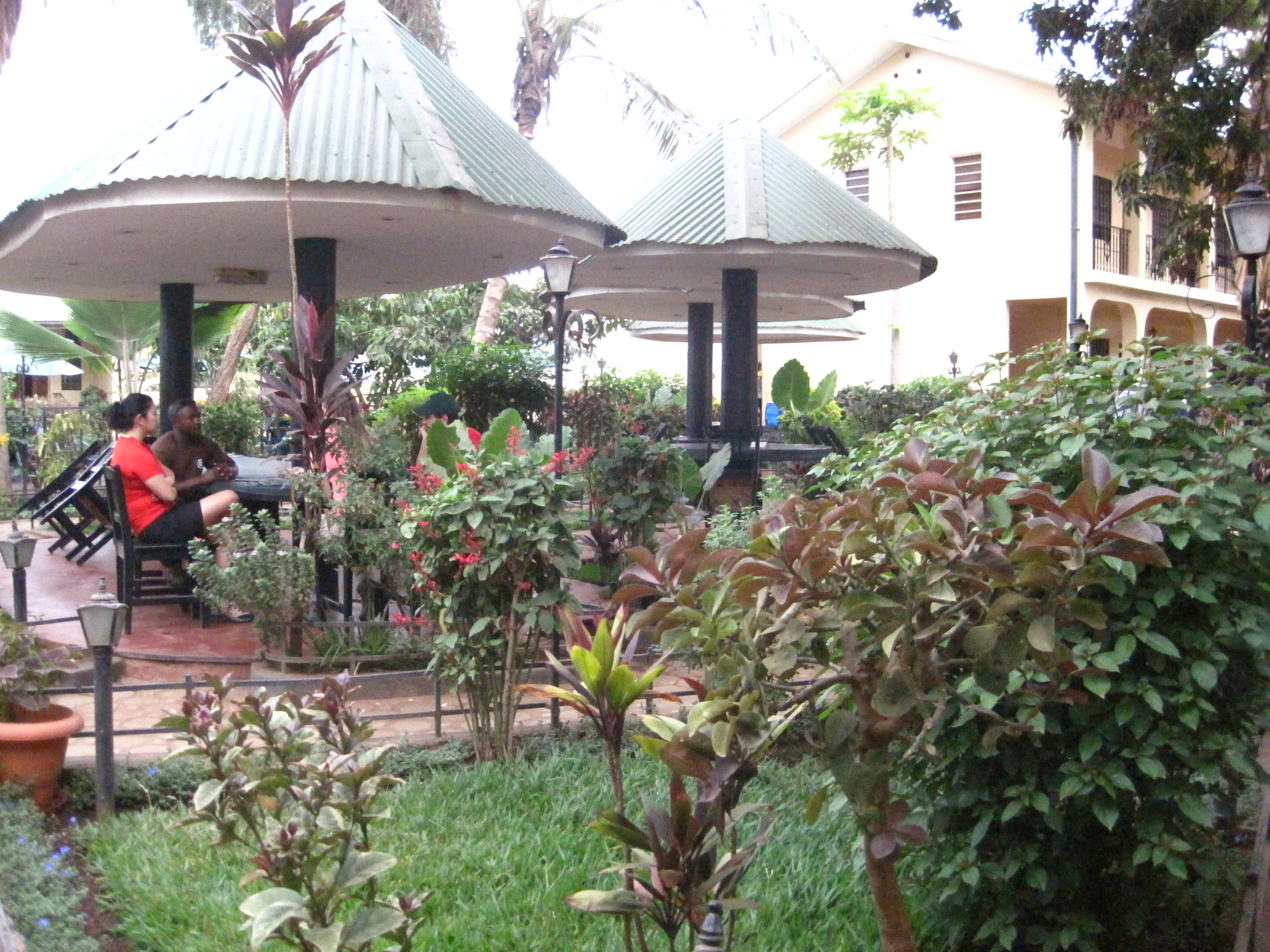
Back at the hotel, Ashard presented the certificates in a small ceremony in the courtyard. Gold, for Uhuru Peak. I then took the longest shower I have ever taken in my life. Extraordinary.
Zanzibar was always the plan for after. Five days on an island in the Indian Ocean felt like the right way to mark the end of something. It turned out to be much more than a recovery week.
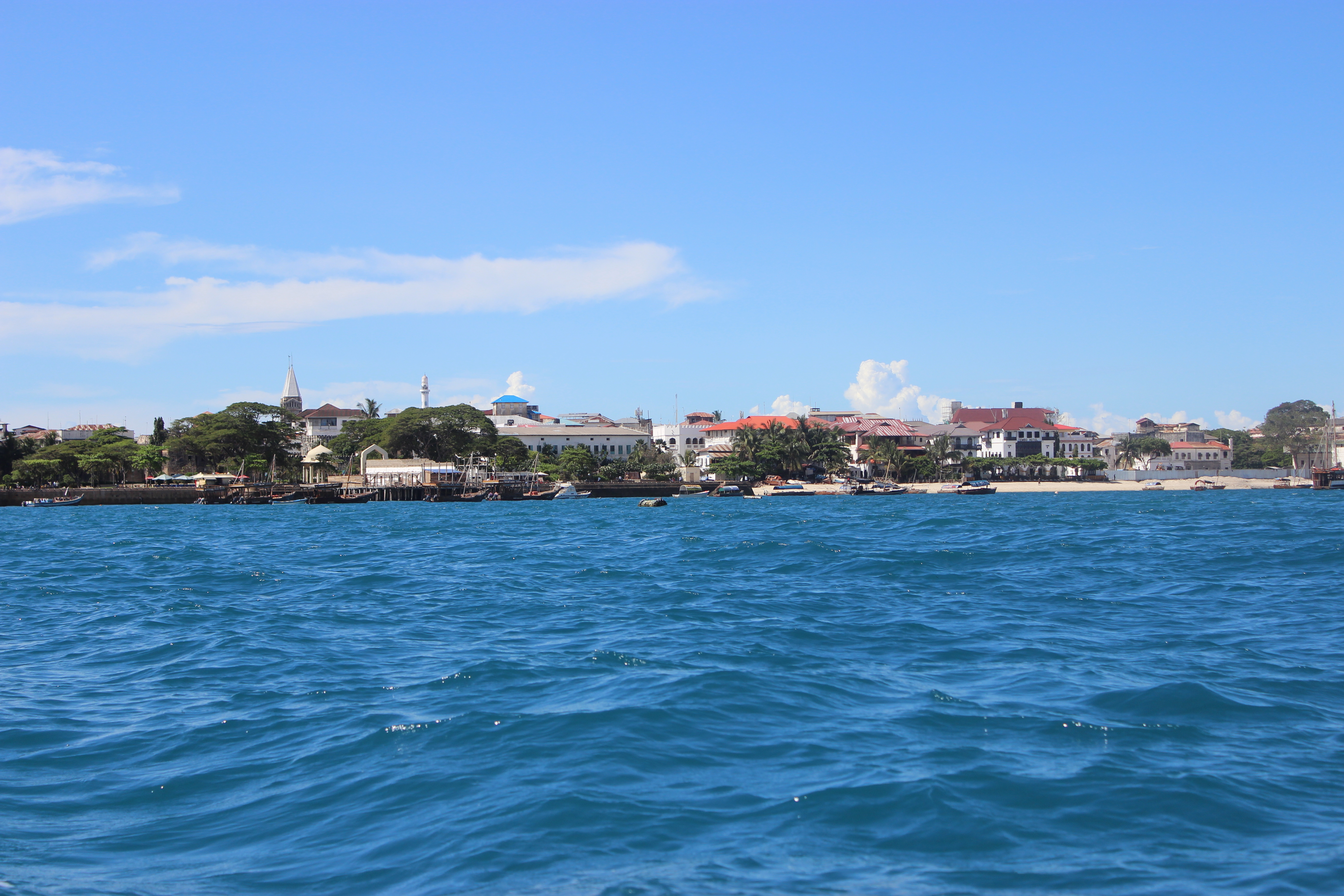
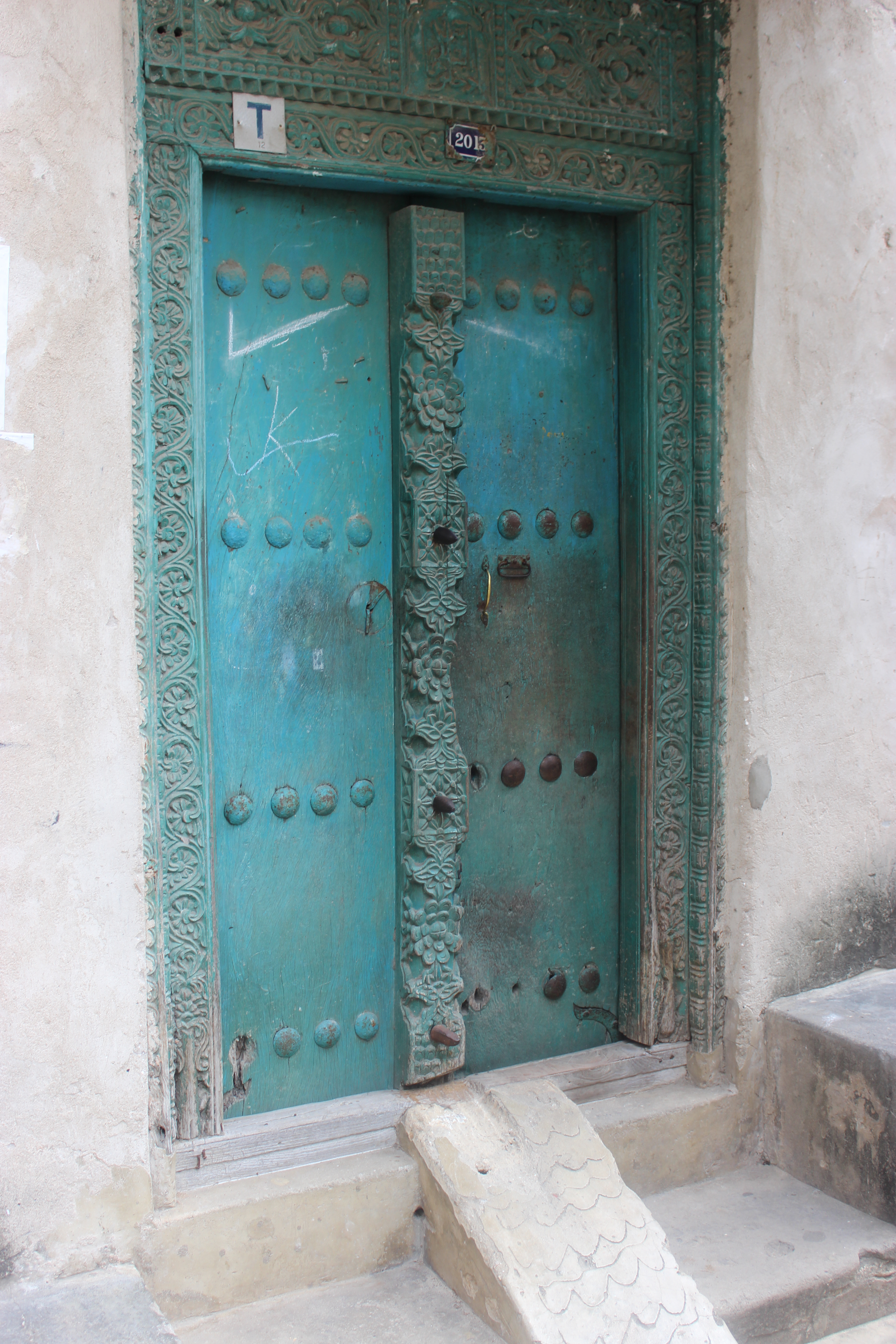
Stone Town is the kind of place that rewards getting lost in. The streets are narrow enough that two people can barely pass, the buildings a layered mix of Arab, Indian, and colonial architecture. The carved doors are everywhere — each one different, each one with a story encoded in the wood. I could have spent the whole five days just photographing doors.
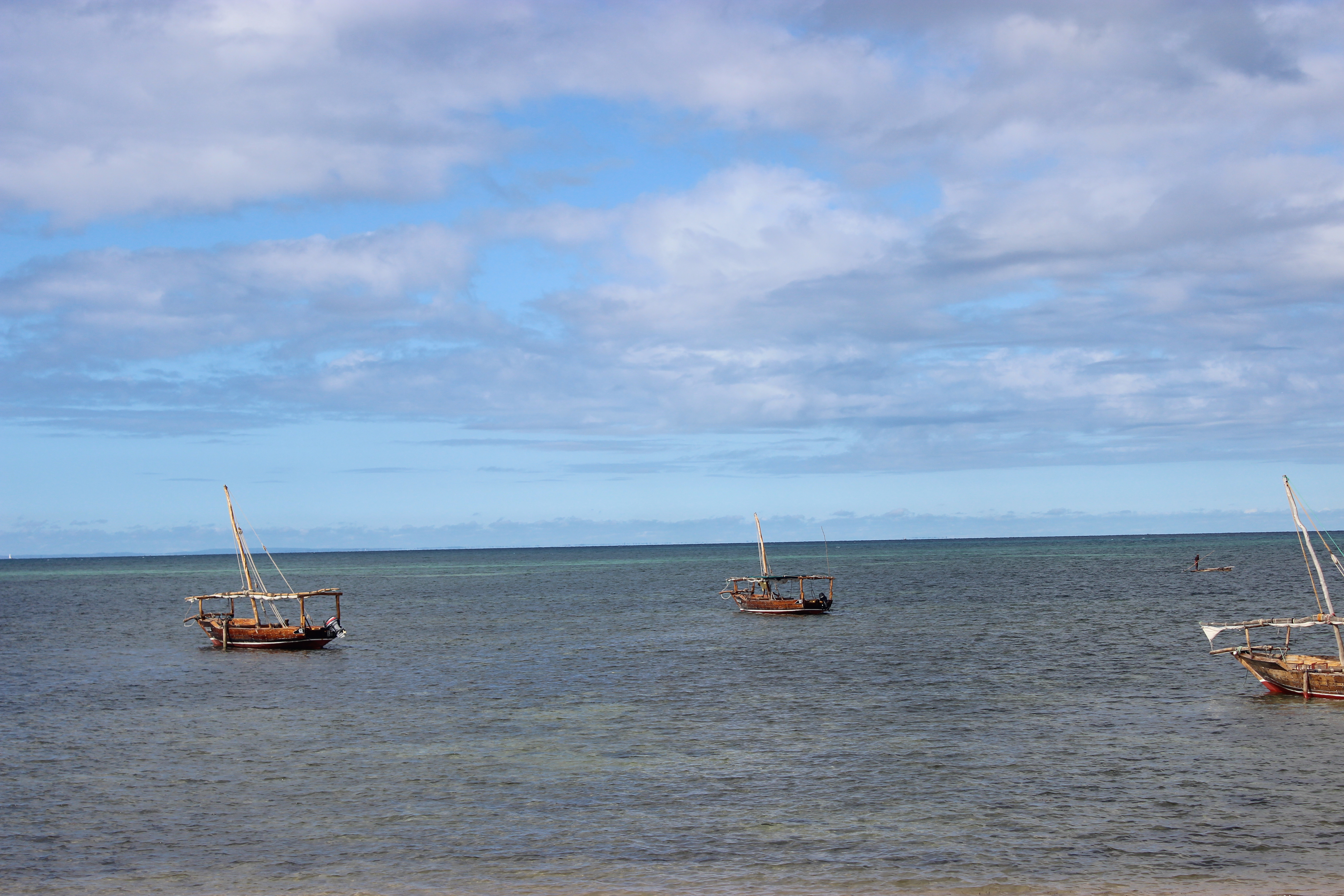
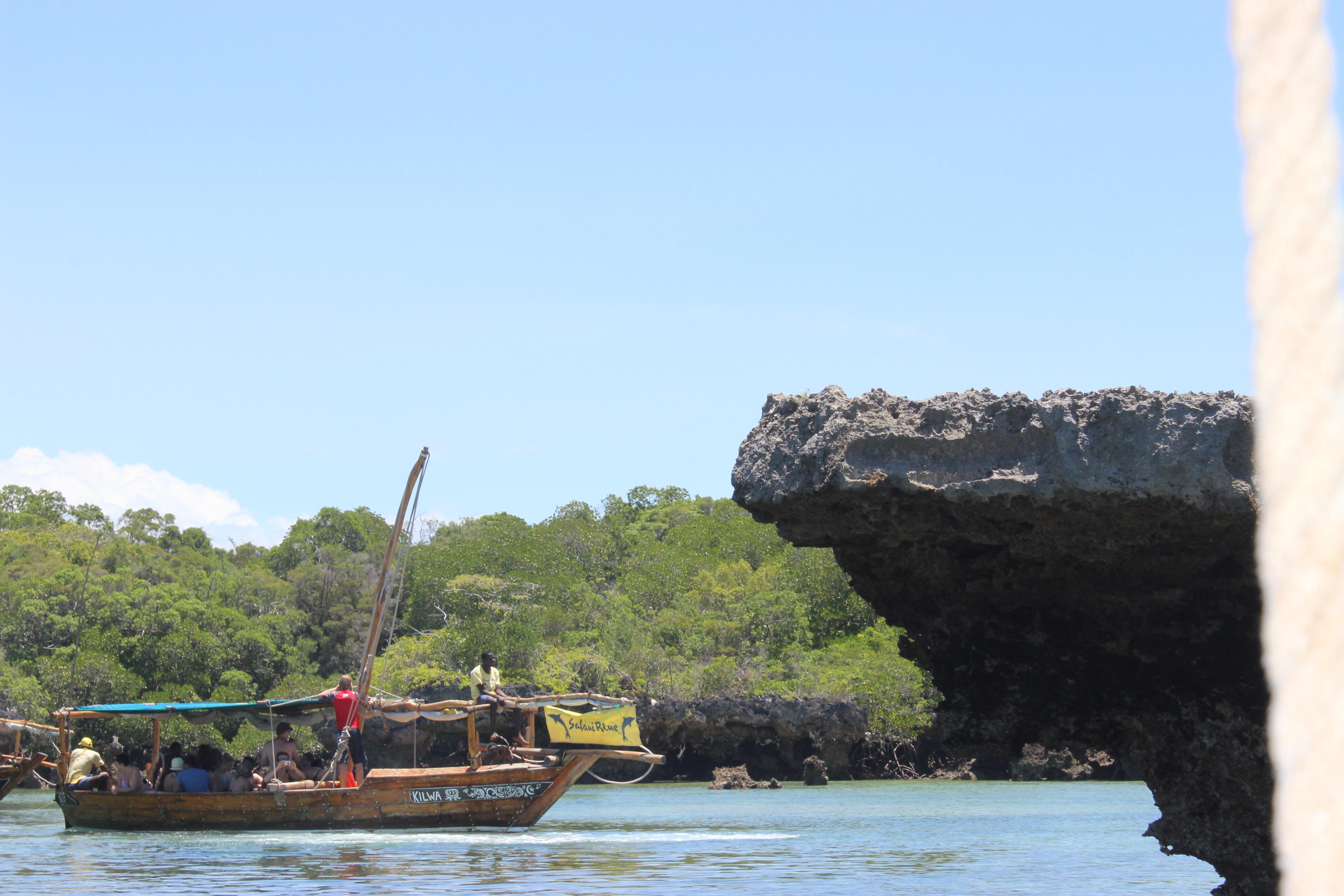
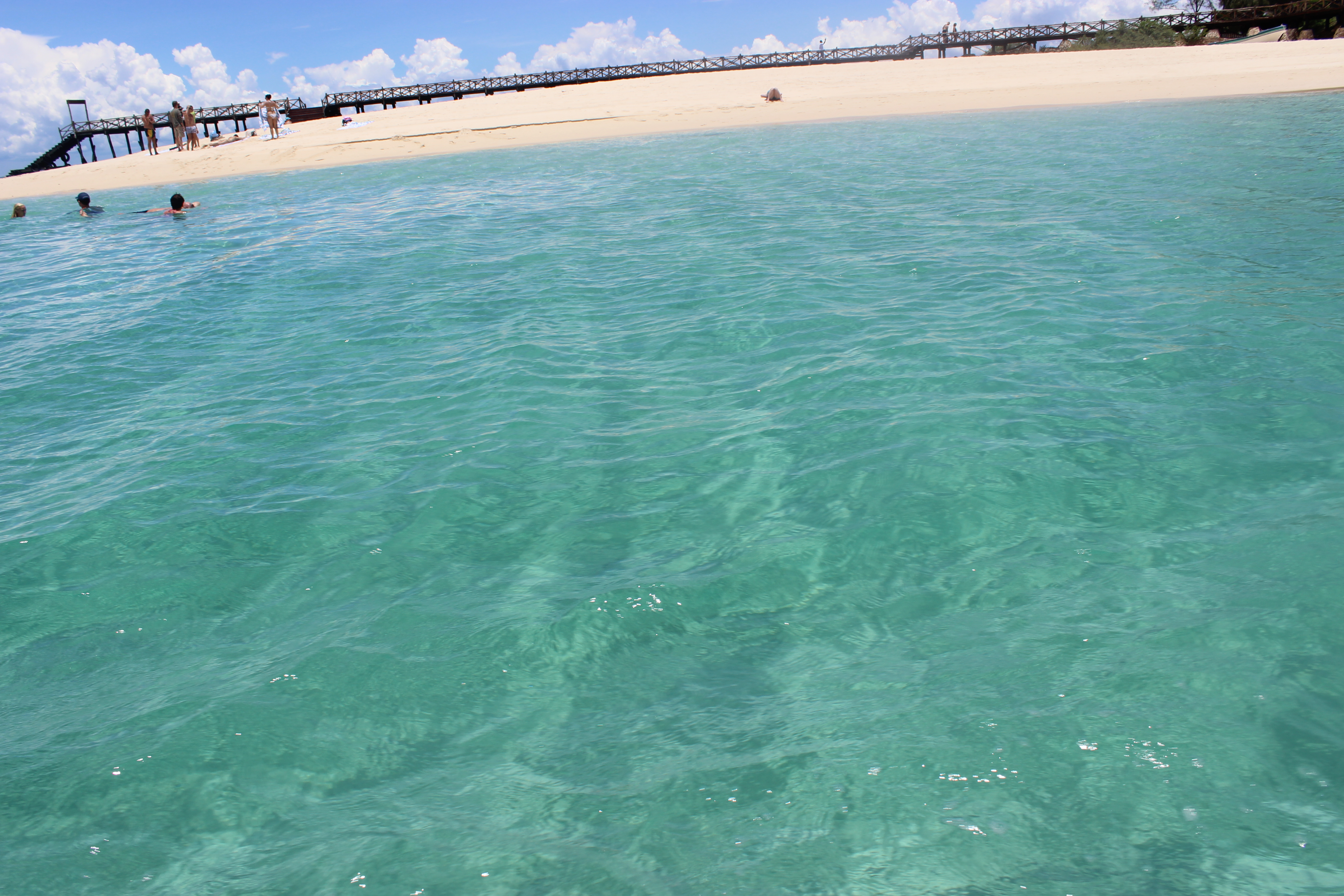
The highlight was Safari Blue — a full-day dhow boat excursion that I almost didn't book, thinking it might be too touristy. It wasn't. You ride out on a traditional wooden dhow, stop to look for dolphins (we found them), snorkel over coral reefs, swim to a sandbank, and have lunch on a private beach. The whole thing costs $65 including food and beer. The guide who runs it clearly loves what she does, which makes all the difference.
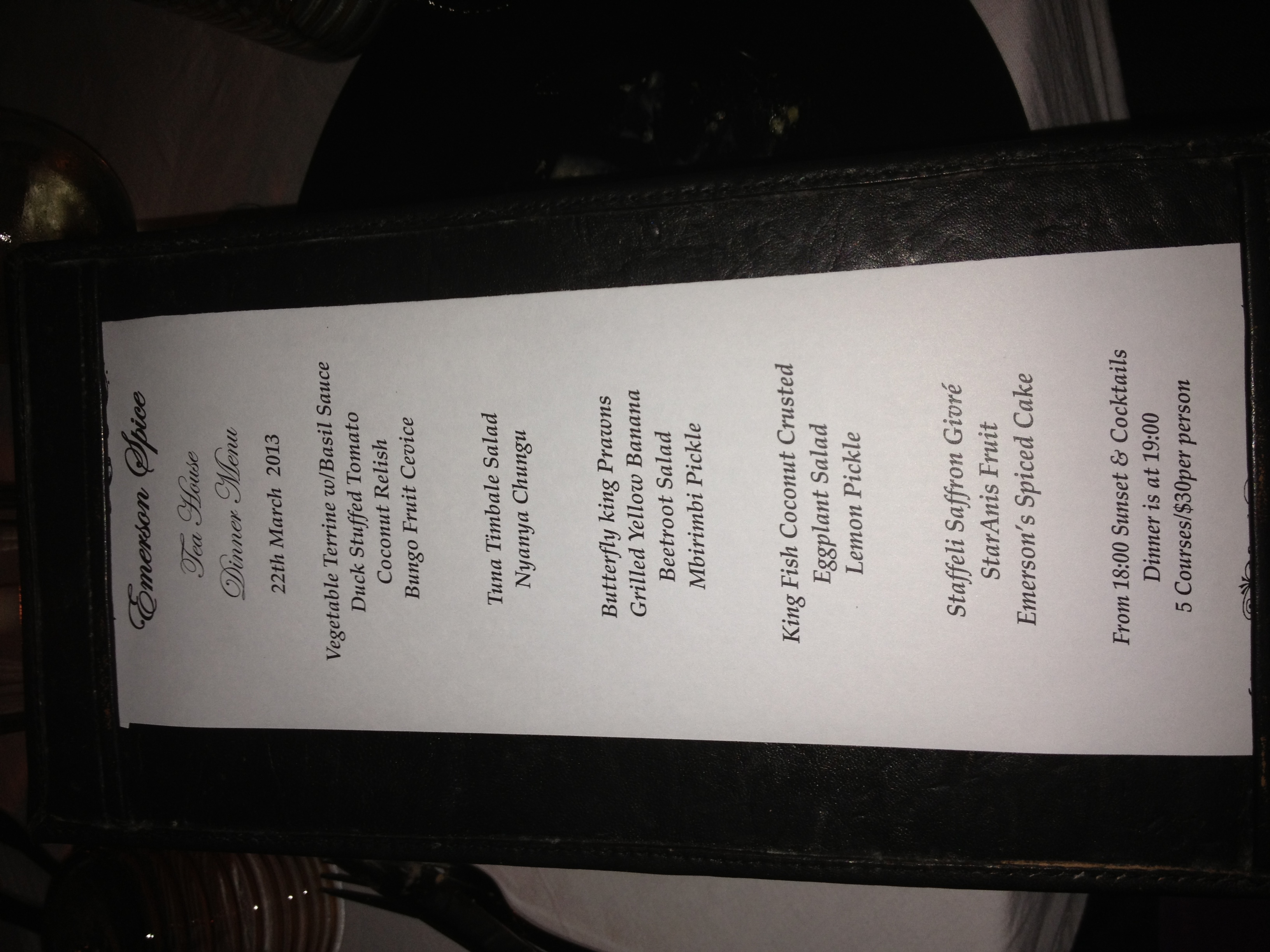
On the last full evening I finally got a reservation at Emerson Spice — a rooftop restaurant in a restored Stone Town house where dinner is served after sunset cocktails, five courses for $30. Duck stuffed tomato. Butterfly king prawns. Coconut-crusted kingfish. Saffron givré. I ate at a low table on cushions, in the open air, while the call to prayer drifted up from the streets below. It was one of those meals you remember not just for the food but for the whole shape of the evening.
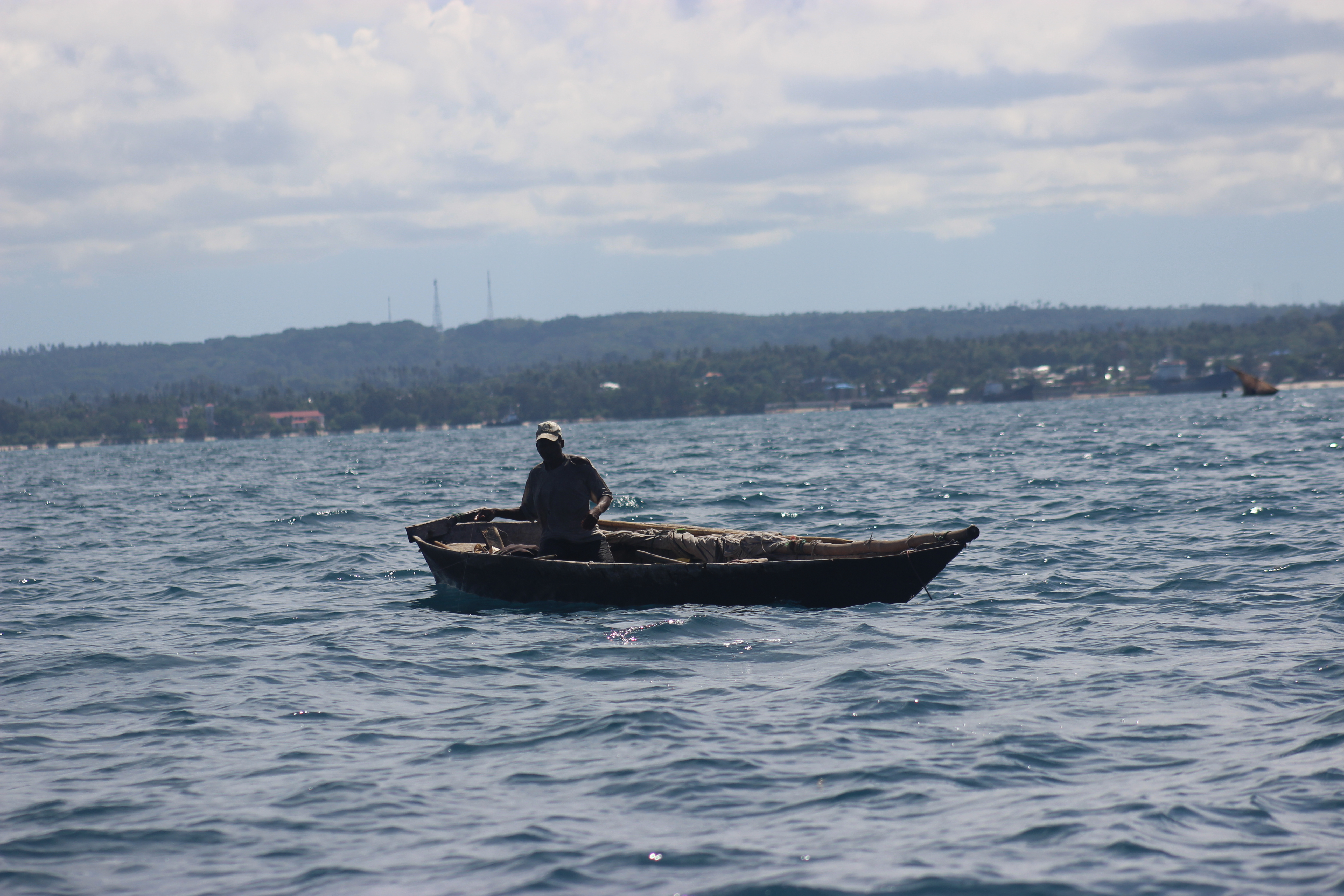
On the last morning I walked with no particular destination — taking in the waterfront, a few more doors, one final lunch at a nameless place that turned out to be excellent. Then a 2am taxi to the airport and a 30-hour journey back to Stockholm.
The six weeks in total — Nigeria, Kilimanjaro, Zanzibar — were the kind of stretch you look back on and realise something shifted, though you're not quite sure what. I'm still working that out.